
Winter is undeniably approaching. Southern Indiana has already seen one night in which temperatures dipped below 32F. The frost destroyed a large variety of plants including my precious tomato vines. Instead of dreading the inevitable barren season to come, I wanted to write an article about how we can still get great food in our post-frost world.
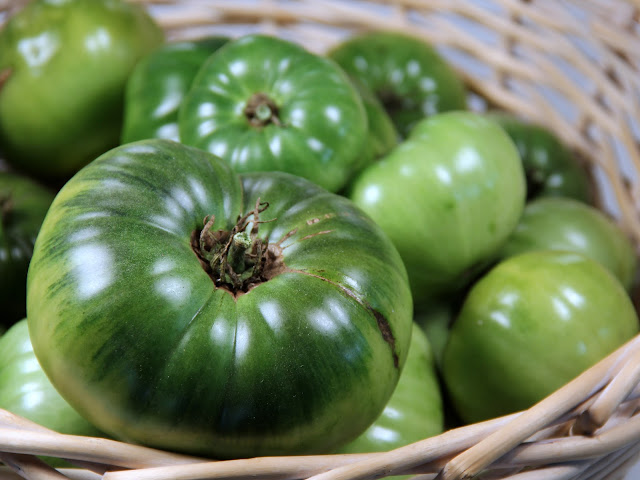
Throughout the United States, one of the most common garden plants grown for food is the tomato. Tomatoes sugar content, acidity, and size all depend on the breed and growing conditions of the plant. A grape tomato and beefsteak tomato have considerably different usages. Tomatoes do share a common development cycle. All varieties of tomatoes start off as immature, hard, tart green fruits and only after maturating, they change color and develop unique flavors.
However, if a tomato plant is unprotected in a below freezing environment, its vines will wilt and die. This seasonal event leaves many gardeners with a lot of unripened tomatoes. There are techniques to ripen green tomatoes such as; sun ripening, by storing green tomatoes on a window sill in direct sunlight, or ethylene ripening, this is done by storing green tomatoes in a closed bag with an ethylene producing fruit. However, green tomatoes have culinary validity in their own right!
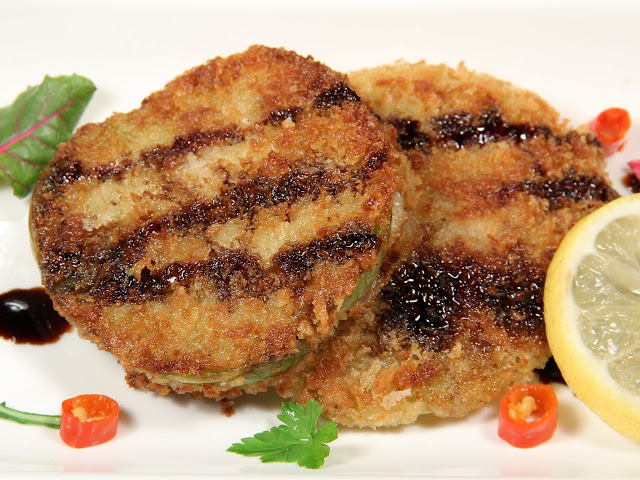
Fried green tomatoes are a common usage of the unripened fruit. When cooked, they become tender yet remain flavorful. You may beer batter, tempura batter, use bread crumbs, crackers, or any other variation of breading or battering food that you prefer.
Many of us think of fried green tomatoes as a recipe developed in the Southern United States, and this is primarily due to the novel and film Fried Green Tomatoes which takes place in Alabama. Lisa Bramen from Smithsonian.com has found that fried green tomatoes started to appear in the United States in the North and Midwest, and were most likely the contribution of Jewish immigrants from the mid 19th to early 20th century. Regardless of who can claim ownership of fried green tomatoes, they only seem to be gaining in popularity. Fried green tomatoes are another instance of practicality becoming a valued American food tradition.
Fried Green Tomatoes
Ingredients

- 6 Large green tomatoes
- 1/4 c Buttermilk
- 2 Eggs, whisked
- 1 c All-purpose flour
- 2 c Panko bread crumbs
- 5 T Old Bay seasoning
- Slice green tomatoes, about 1/4-1/2 inch thick.
- In a bowl beat eggs and buttermilk together.
- On a separate plate mix flour and Old Bay seasoning together.
- On yet another plate spread Panko.
- Take a slice of tomato and dredge in flour, then coat it in the egg mixture, and finally coat with Panko crumbs. Carefully set breaded tomato on a sheet pan lined with wax paper.
- Repeat the process until all tomatoes are breaded, then stick in the freezer.
- One hour to indefinite, remove the frozen tomato and prepare oil to fry. You want to make sure and use a high heat oil and get it near its smoking point. The frozen tomatoes will instantly drop the temperature of the oil, so this part is crucial.
- Fry the tomatoes until golden brown and remove to a plate lined with paper towels. Make sure to absorb as much oil as possible and serve immediately to avoid soggy tomatoes. *The frozen tomatoes will last over the winter, fry off as desired.
Citations and Further Readings:
- Braman, Lisa. "The Surprising Origins of Fried Green Tomatoes." Smithsonian. Smithsonian, 6 Aug. 2010. Web.
 Don't fear it! Liver and other undesired parts of meat animals can be tasty, nutritious, and affordable. I consider one of the largest shames of the the modern food industry is the total disconnect consumers have with their meat. Why is a breast an acceptable muscle to eat with no regard, and a heart is repulsive? If you have an answer to this let me know, because I do not.



 To the average American citizen few regions of the world are more veiled in myth and misconception than the Middle East. This region is conceptually a fairly modern and Euro-centric area which spans a vast territory from Northern Africa all the way to Eastern Iran. The concept of what is now considered the Middle East may be traced back to the area that Arabian Muslims invaded after the Prophet Muhammad's death in 632 A.C.E (Husain).

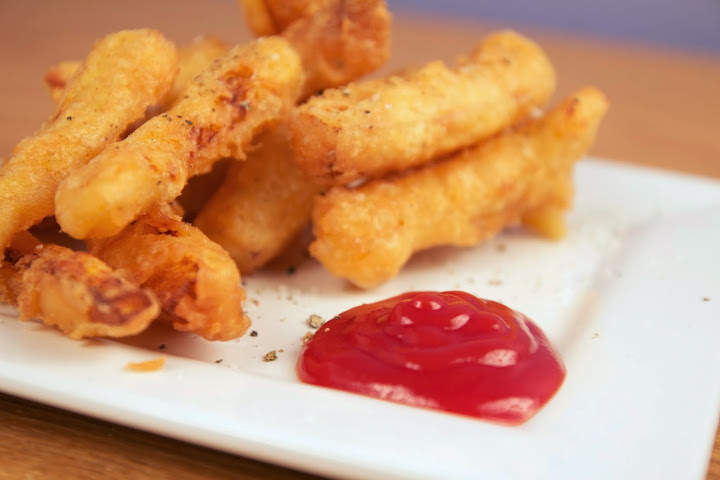
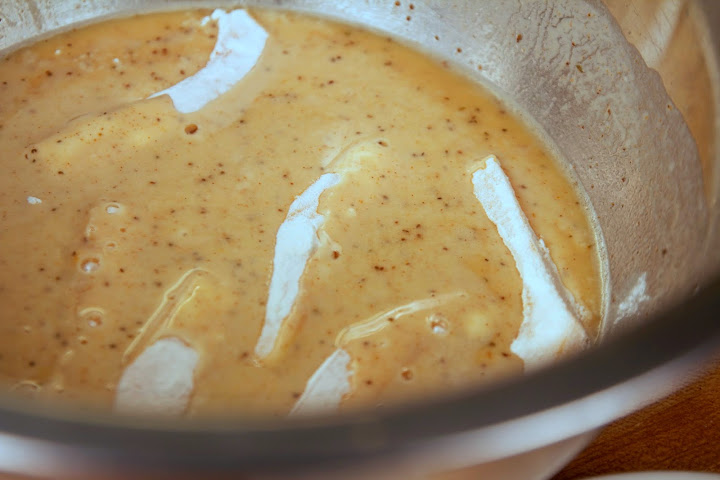
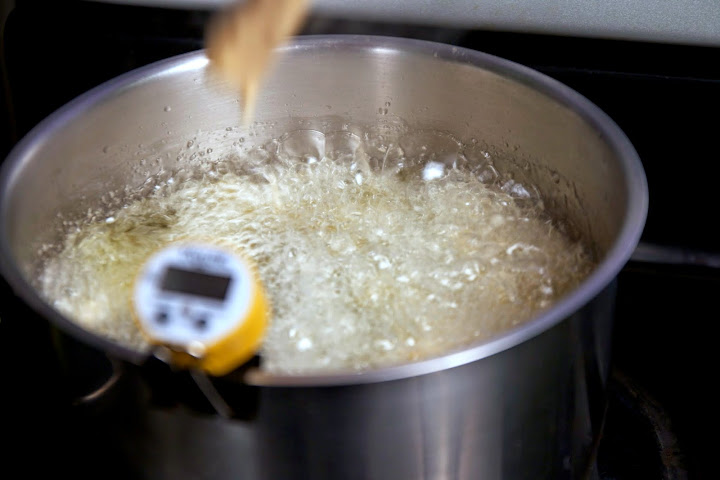
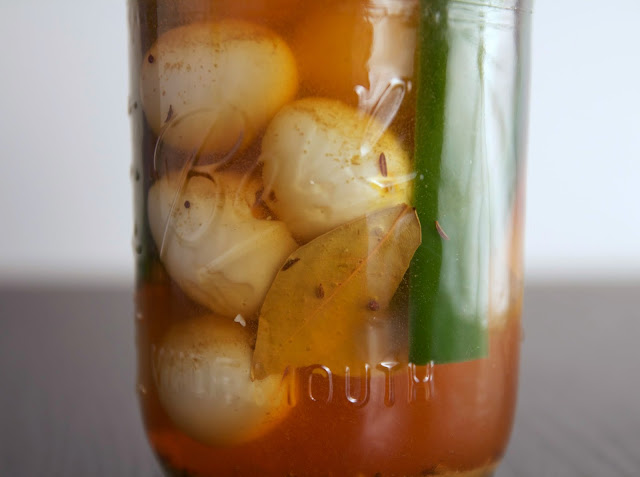
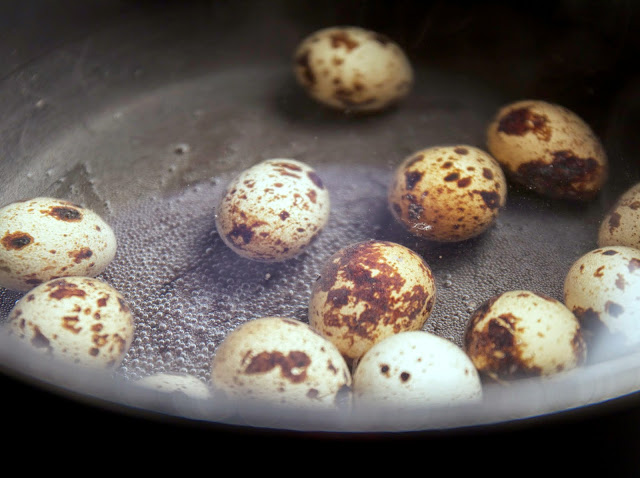
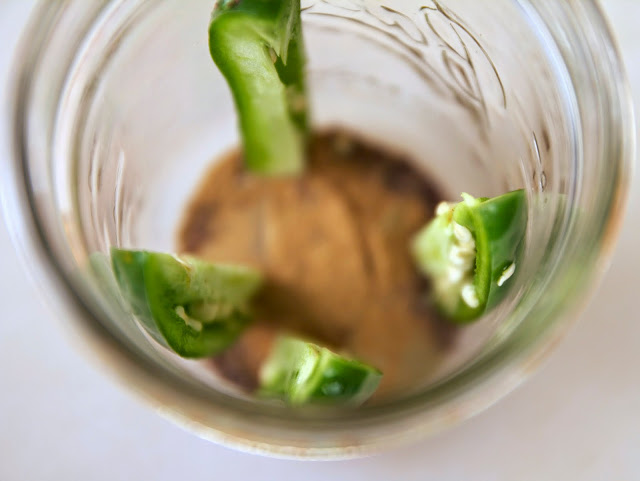


 I am not here to argue the health benefits of deep fried food. Frankly, that is an argument that can not be won. However, we all occasionally have a craving to indulge in a crispy, crunchy, deep-fried treat. While beer battered onion rings may not be the healthiest side dish option, if you want to satisfy a craving but have feelings of guilt, why would you not want to be in control of the quality of what you're consuming? Feeling guilty is no good, instead of relying on fast-food chains whose primary concern is profit margin, I suggest take control and know exactly what is going into your body.


 Pan Seared Duck Breast in a Scallion Steamed Bun

 Many of the recipes I have developed for this site are both environmental and economically influenced. I personally believe that the more we learn about our world, our environment, and those life forms that share this planet with us, that we are able to make more balanced decisions. I am a fish lover and given the opportunity to fish sustainably and in water without chemical pollutants then I would probably eat fish for every meal. Unfortunately that is not a realistic possibility. But, what if I told you there is a healthy, tasty, sustainable, inexpensive fish option that can hold in the pantry for years? Canned sardines, are starting to sound like a magical food option.


 Who doesn’t love great street food? Essentially street food is cheap, simple, and carries bold savory flavors. Throughout Mexico, the Southern United States, and cities with big Mexican populations, Elote is a summer favorite. “The fresh cob of Zea mays is called ‘elote’ in Spanish, when the kernels are soft and milky; once fully matured and dried, the kernels are called ‘maiz.’ In Yucatan, several distinct varieties can be found, varying in the size of the cob (which ranges anywhere from 3 to 8in./ 8-20 cm in length), the number of rows of kernels, the time to reach maturity, not to mention the color of the kernels; yellow, white, red, and blue.” (Sterling, 31)


