 The Gulf of Mexico is a beautiful and delicate region of the new world that shares its waters with a large variety of cultures, flora, and fauna. The Gulf has been giving its bounty to humans long before European explores colonized North America. However, as of recent, man has drastically abused the Gulf. Oil pluming from the Gulf's depths, large trawling nets that destroy the ocean floor and trap rare and endangered species of sea turtles and fish, and pollution runoff from the Mississippi river and other tributaries causing significant algae blooms have greatly damaged this region within the past 50 years. The ecological injustices of modern man was the source of inspiration for today's post by raising awareness about some of the environmental issues of the Gulf
while honoring its unique cultures.
I wanted to pick and choose elements from different unique cultures in the region and combine them into one dish. I felt that the perfect dish to meld cultures was a stew, gumbo from Louisiana is a melting pot stew of various traditions and food sources, with no fast and steady rules. Furthermore I want encourage readers to continue researching the ecological issues surrounding Gulf today by looking into the challenges that each of these cultures face.
The oxtail in this dish, which has been an ingredient used by the lower class all over the world, is a prized food source in much of the Caribbean. Oxtail is a tough, flavorful, collagen-packed cut of beef tail, which after patient cooking the collagen becomes a rich gelatin. This gelatin renders the flavorful meat tender, and surrounding broth or braising liquid luscious.
Okra, which is a native plant from Africa, and in the Hibiscus family(Kochhar), became an important food crop in the Southern United States. Okra is fast growing and fast producing in subtropic climates, and this plant pod found its way into the famous gumbos of Louisiana. Okra contains a slimy mucilage substance which also helps contribute to thickening the gumbo.
This gumbo substitutes the traditional Andoullie sausage, with Mexican Chorizo. Both sausages serve a similar function, yet the Chorizo adds a little more heat to the dish. For the most part Mexican Chorizo is sold in ground form, but you can also find Chorizo in a casing or making your own like I did.
If a recipe could tell a story this story would be about the diversity of cultures which owe some aspect of its being to the Gulf. If you have ever questioned your role within an unbalanced ecosystem please take the time to do a little further research. The Gulf of Mexico Alliance is an organization currently dedicated to the preservation of a sustainable Gulf and is a great source of information.

Gulf Gumbo

Ingredients
- 2 pounds Oxtail
- 1 pound High quality Mexican chorizo in a casing
- 1 pound 16-20 count shrimp (look for Oregon or British Columbia for best sustainable choices)
- 1 quart Chicken stock (homemade preferred)
- 6 ribs Celery, large dice
- 1 Red bell pepper, large dice
- 1 Red onion, diced
- 6 Cloves of garlic, medium dice
- 4 scallions
- 2 c Okra, chopped
- 2 T Tomato paste
- 3 Bird's eye chilies (or jalapeno for a mild spice level)
- 1/2 c Red wine
- 3 T Worcestershire sauce
- 1 T Ancho powder(dried poblano pepper)
- 2 t Smoked paprika
- 1 t Garlic powder
- 1 t Dried thyme
- 1/2 t Dried basil
- 1/2 t Dried Oregano
- 1 bunch Flat leaf parsley, minced
- 2-3 T Peanut oil for browning
- salt and pepper to taste
- 1/2 c Butter
- 1/2 c All-purpose flour + 1 T extra to compensate for leftover peanut oil
- 6-8 quart dutch oven
Dark Roux
Special Equipment:
- Add peanut oil to dutch oven and increase to medium heat. Remove any excess moisture from the oxtail with a dry paper towel and salt all sides of the meat, once the oil is hot enough brown all sides of the oxtail, roughly 15 minutes.
- Remove oxtail and transfer to another plate, add the chorizo and brown on all sides, roughly 10 minutes
- Transfer chorizo to the resting plate and reduce the heat of the dutch oven to medium low. Add 1/2 cup butter and allow to melt. Once melted add 1/2 cup all purpose flour + another tablespoon or two to compensate for the leftover peanut oil and rendered fat from the chorizo and oxtail. Cook for about 10 minutes to create a dark roux.
- When roux darkens add ancho, smoked paprika, garlic powder, thyme, basil, and oregano to the dutch oven. Stir in with the roux
- Add chopped celery, bell pepper, red onion, scallion, garlic, tomato paste, and bird's eye chilies to the dutch oven, cook on medium low for roughly 5-10 minutes.
- Pour 1 quart of chicken stock, 1/2 cup of wine and 3 T of Worcestershire sauce and stir.
- Add Oxtail, sliced chorizo, and chopped okra back to the dutch oven.
- Cover dutch oven with a tight fitting lid and put in the oven at 225F for 5 hours.
- After 5 hours the oxtail will be fall apart tender, transfer back to stove top on medium low, add shrimp and cook until they turn pink. 2-5 minutes
- Add fresh parsley, salt and pepper to taste.
- Dry, Stanley. "A Short History of Gumbo." Southern Foodway Alliance. N.p., n.d. Web. <https://www.southernfoodways.org/interview/a-short-history-of-gumbo/>.
- Kochhar, Ravi. "All About Okra." neurophys. wisc.edu, n.d. Web. <http://www.neurophys.wisc.edu/ravi/okra/>.
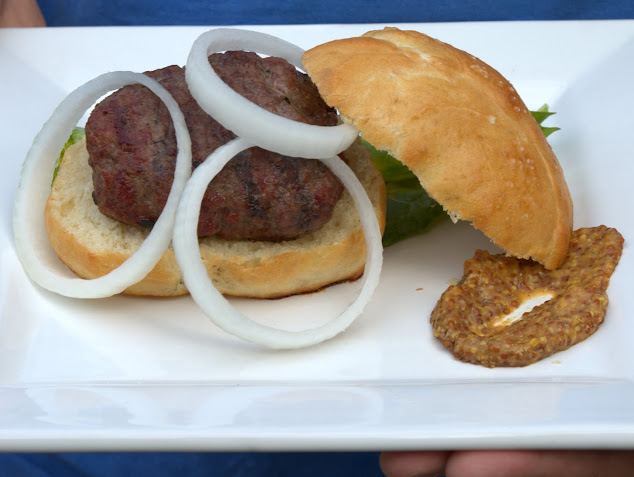 Grilling out is a favorite summer past time of mine, The smells, sounds, beer, and music are all some of my favorite aspects of the summer. This recipe combines two of my favorite Outdoor grilled foods and merges them into one.