Showing posts with label Japanese. Show all posts
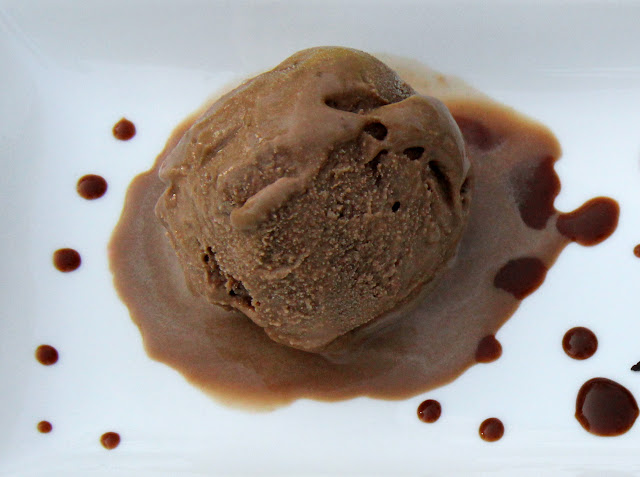
Chocolate Shiso Ice Cream

I have been interested in Japanese cuisine for a very long time. I find the exotic ingredients and techniques fascinating. I try to incorporate Japanese ingredients into my cooking at every opportunity. This eagerness to experiment with Japanese ingredients led me to discover how chocolate and shiso pair as a brilliant flavor combination.

Shiso also known as red perilla is actually a herb native to China. This member of the mint family was brought over to Japan around 700 or 800 AD, where it then acquired its Japanese name "shiso". (McGee 404-405) Shiso is used with sushi, sashimi, grilled meats and fish, and as garnish in Japan. In Korean cuisine green perilla is often used as a lettuce wrap. In China shiso is used as a medicinal ingredient to cure a slew of health issues. So perilla is popular in Asia, but why is it so common in North America?

Despite shiso being more prevalent in Asian cuisine, shiso can be found all over the United States. In fact earlier this year I spotted shiso growing in a public park in Louisville, Kentucky among other local plants and weeds. If you are having trouble finding shiso, check out your local Asian market, they are usually sold in the fresh produce section.


Chocolate Shiso Ice Cream


Chocolate Shiso Ice Cream

Ingredients


  • 1 & 1/2 c Whole milk
  • 1 & 1/2 c Heavy cream
  • 6 Large egg yolks
  • 1/3 c Unsweetened cocoa powder
  • 1 c Sugar
  • 1/4 c Corn syrup
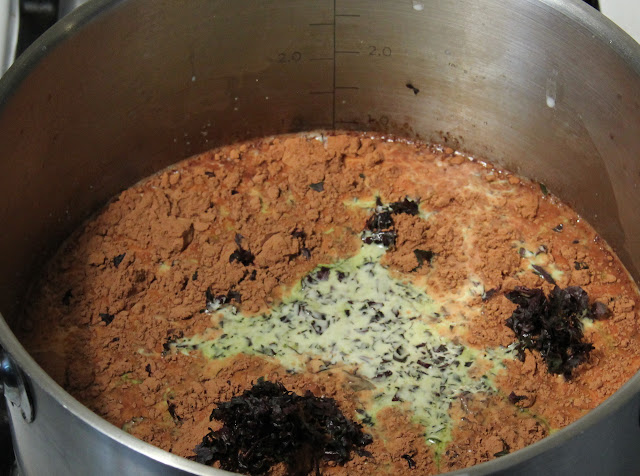
  • 2 c Shiso, packed and processed
Cooking Directions

  1. Combine milk, cream, 3/4 c sugar, chopped shiso, and cocoa powder in a heavy bottom sauce pan.
  2. Bring to a simmer and let the sugar dissolve then turn off the heat.
  3. Let rest for 30 minutes.
  4. Combine 1/4 c sugar, corn syrup, and egg yolks in a bowl and mix thoroughly.
  5. Temper the eggs with milk mixture.
  6. Transfer the eggs back into the pan and heat up until an instant read themometer reads 180F. Turn off the heat immediately, pour through a fine strain into a new metal container and transfer to an ice bath.
  7. Let the ice cream base sit in the refrigerator over night.
  8. Follow your ice cream maker's directions and spin the base until thick. Freeze and then serve as desired.
Total Time: 1 hour + Rest Overnight
Citations and Further Readings:
  • Behr, Edward. " Labiatae: Herbs of the Mint Family." The Art of Eating. The Art of Eating, 12 May 2015. Web.
  • Kawasaki, MIki. "Do You Know Your Tsukemono? A Guide to Japanese Pickles." Serious Eats. Serious Eats, 6 June 2014. Web.
  • McGee, Harold. On food and cooking: the science and lore of the kitchen. Simon and Schuster, 2007.
  • Mouritsen, Ole G. "Preparation of Sushi." SUSHI Food for the eye, the body & the soul. Springer US, 2009. 152-189.
Ramp and Miso Sausage
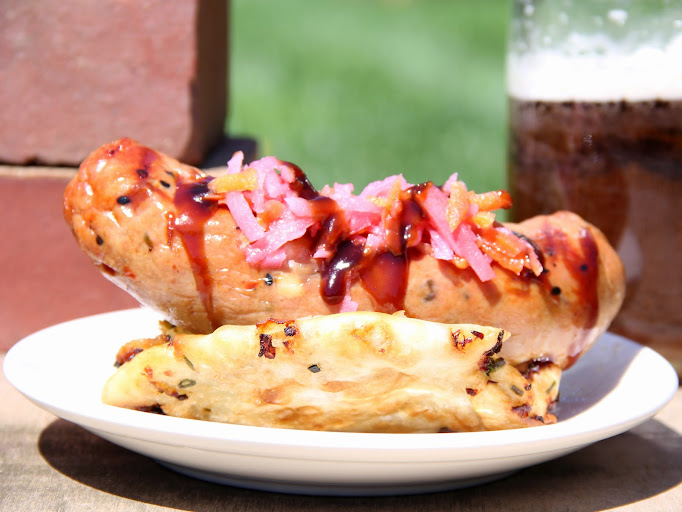
*Served in a fresh shrimp and scallion pancake with pickled daikon/carrot, Hoisin sauce.

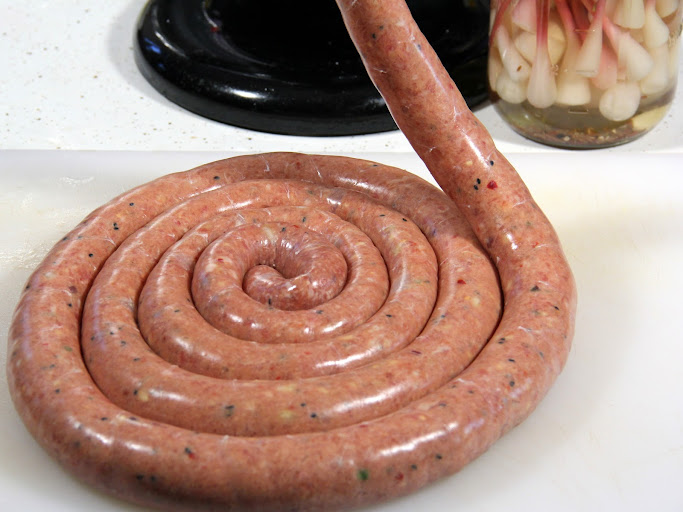
After some time of tinkering around with fresh sausages I finally came up with a recipe that I believe is both unique and delicious enough to warrant a Joy and Feast post. I have become extremely interested in the sausage making process and I wanted to show that it's fairly simple to make out of this world sausages on your own, which are designed suite your own tastes or dietary needs.

I might be an overly enthusiastic advocate of the sausage making process, but the moment you are able to serve your own sausages to friends and family is an incredibly gratifying experience. In addition, after reading the listed ingredients on the back of most inexpensive sausages should turn anyone away from accepting anything but the best quality sausages. Mass produced commercial sausages are filled with preservatives and additives which I believe no one needs in their diet.

What defines a sausage? Sausages have been an important aspect in the human diet for a very long time. Sausage Obsession cited the earliest sausage usage can be traced back to 50,000 B.C.E. Traditionally sausages were scraps of meat or other ingredients stuffed into the offal, generally the intestine or stomach of a recent kill in order to preserve and use as much of the animal as possible. Practicing sausage making allows modern women and men to have the opportunity to practice a tradition that dates back tens of thousands of years.

The concept of the sausage has spread all across the world in which a huge variety of traditions and practices have arisen. Some of the regional variations have very interesting ingredients and processing techniques to transform the sausage into an edible treat. By this I mean that sausages can be raw and stuffed into a casing then cooked, pressed into patties and cooked, fermented, smoked, and even air-dried(McGee 170) until enough moisture leaves the sausage that it becomes a hardened and edible. Sausage can be the fillings of potstickers and raviolis, crumbled onto pizza, and even a delicate emulsified mixture of meat, egg, and cream. The bottom line is sausage making is important, so why not make fresh stuffed sausages at home?

As varied as the techniques and ingredients are in the realm of sausage making, one of the sage pieces of advice Michael Ruhlman offers is keep a 3 to 1 ratio of meat to fat. or keep a sausage at least 25% fat by weight(p 130), ignore this advice, and the result is a dry sausage, and there is no point in investing several hours on homemade sausages if the result is destined to be inadequate. The addition of liquid's and fruits or vegetables with a high moisture content may add to the succulence of the final product.

The ingredients which sets this particular sausage apart are the miso and ramp. Miso is a fermented soybean paste exalted in Japanese cooking, miso is considered one of Japan's most important staples (Tsuji, 76). There are several varieties of miso, but for the this sausage we need to use a stronger and saltier variety like most red misos. The other unique ingredient in this sausage is the ramp. Ramp's are wild onions which grow throughout the Appalachian chain in the early spring, The greens and stems both have wonderful and separate uses. However, for practicalities sake feel free to substitute fresh ramps with scallions if you are making this in any other season. For another Joy and Feast recipe using ramps check out one my earliest recipes for Pickled Ramps.


If you have any unique sausage recipes or enlighten sausage techniques of your own, please let me hear back!

Ramp and Miso Sausage


Ramp and Miso Sausage


Ingredients
  • 4 pounds Boneless pork shoulder
  • 1 pound Boneless & skinless chicken breast
  • 8 Ramps, minced, substitute scallions if ramps are out of season
  • 2 Large eggs
  • 3 T Red miso
  • 3 T Ginger, minced
  • 2 T Garlic, minced
  • 2 T Dried chili flakes
  • 2 T Kosher salt
  • 6 T Soy sauce
  • 2 t Sugar (preferably Dextrose)
  • 1 & 1/2 t Sesame seeds
  • 10 feet Hog casings(can substitute lamb casings, or use as dumpling filling).

    Special Equipment:
    A stand mixer with a meat grinder and sausage stuffer attachment.
Cooking Directions
  1. Make sure all equipment is sterilized and chilled before starting the sausage making process.
  2. Trim any sinew, tough cartilage, skin, or bones, and then dice meat into medium chunks.
  3. Feed all of the meat into your stand mixer with the meat grinder attachment.
  4. Feed directly into stand mixer's mixing bowl. Add all ingredients and quickly mix thoroughly with stand mixer's paddle attachment.
  5. Heat up a portion of the meat mixture in a skillet and ensure that the seasoning is correct, if not adjust at this point until satisfied.
  6. Attach sausage stuffer onto the stand mixer. Feed the whole casing onto the sausage stuffer and tie the end.
  7. Feed mixture through the stand mixer until sausage is stuffed.
  8. Make individual links by twisting the sausages towards oneself, then away in an alternating pattern.
  9. Let the sausages sit in the refrigerator for at least one hour.
  10. Fire up your grill or skillet and cook through to an internal temperature of 165F. I also vacuum seal and freeze unused sausages, they last for months and maintain their quality.
Total Time: 4 hours

Further Readings and Citations:
  • McGee, Harold. On food and cooking: the science and lore of the kitchen. Simon and Schuster, 2007.
  • Ruhlman, Michael. Ratio: The Simple Codes Behind the Craft of Everyday Cooking. Simon and Schuster, 2009.
  • "The History of Sausage." Sausageobsession.com
  • Tsuji, Shizuo. Japanese cooking: a simple art. Kodansha International, 2006.
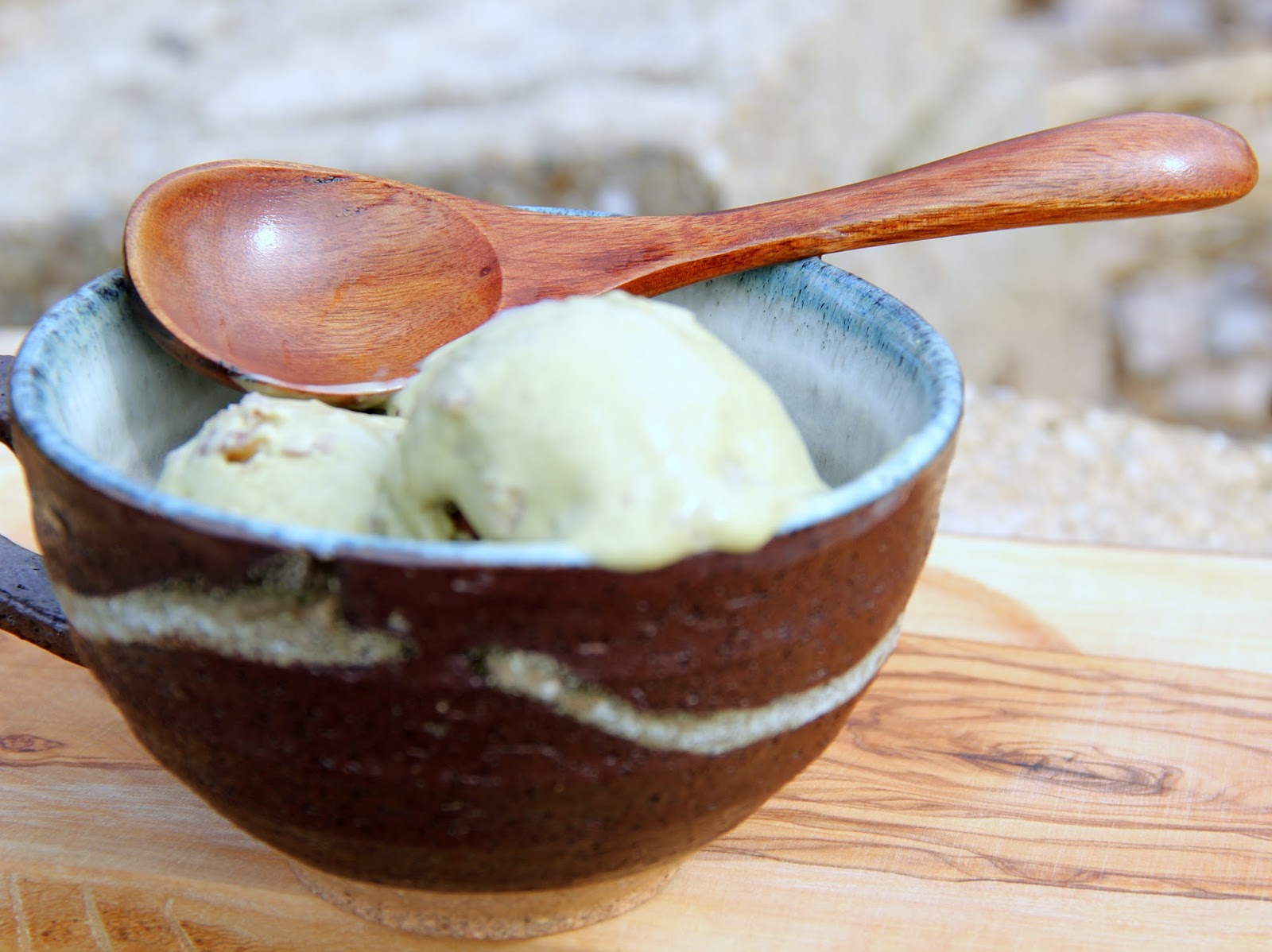
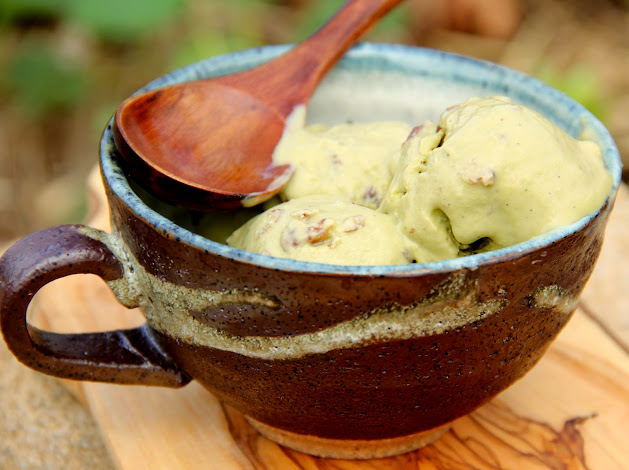
Matcha Green Tea Ice Cream with PecansWhether spring, summer, or early autumn, the warmer seasons would not be as memorable if they did not include the occasional ice cream cone or sundae. While my lactose intolerant friends might strongly disagree, I believe that ice cream is a fundamental bonding tradition. By the way lactose intolerance does not exclude anyone from warm weather bonding over frozen treats, there is a world of beautiful dairy-free sorbets and other frozen treats such as My Award Winning Roasted Garlic Sorbet or a Faloodeh Cocktail.

Our story today begins with me acquiring a used ice cream maker off of the local classifieds for a ridiculously good price. Sorbet, gelato, ice cream, and frozen yogurt all require an ice cream maker for a proper texture, so getting your hands on one is the first step to unlocking personal frozen dessert freedom. Investing in an ice cream maker may seem like a large obstacle at first, but once you start making ice cream at home, the quality of ice cream made surpasses almost anything you can buy in the supermarket and even most ice cream stands.

While homemade ice cream may be a new concept, Ice cream and sorbets are hardly a new innovation. In the 13th century Arabs discovered that by adding salt to flavored waters and sugared creams and then freezing, slushes would be created instead of becoming frozen blocks of ice or cream. (McGee, 39). Even before the modern origins of ice cream, frozen desserts such as Faloodeh, iced vermicelli noodles flavored with rose water, honey, saffron, ect existed in the Persian empire dating back some 2,500 years(Marks).

The ice cream in today's recipe is based on a custard due to the percentage of egg yolk and the fat content of the cream. Ice cream can be made with less egg yolk, or even by omitting the yolks all together, however I would not recommend omitting the yolks. The egg yolks provide stability, a longer shelf-life, smoother texture(Falkowitz), and a richer mouth feel, which are all qualities that I believe make a great ice cream.

In addition to the egg yolks in this recipe the addition of honey serves a very interesting function. Honey is known as an invert sugar, this is a sugar composed of fructose and glucose with a viscous texture. Such invert sugars include honey, maple syrup, and corn syrup to name a few. Invert sugars have a lower freezing point and help with reducing ice crystals that may otherwise form in homemade ice cream. The result is a creamy smooth texture with a hint of honey, which of course is wonderful with green tea.

The green tea used in this ice cream recipe is a very special powdered green tea known as matcha. Matcha is a pulverized green tea from Japan, highly regarded for its use in the Japanese tea ceremonies. (Tsuji, 334) Matcha's intense flavor and powdered texture also makes it ideal for cooking applications including ice cream bases. Matcha may be somewhat difficult to find at the average super market, but Japanese supermarkets, specialty tea stores, and of course the internet should provide reasonable options.
Matcha Pecan

Matcha Green Tea Pecan Ice Cream


Ingredients
  • 2 c Heavy cream
  • 1 c Whole milk
  • 1/2 c Cultured buttermilk
  • 8 Egg yolks
  • 3/4 c Sugar
  • 1/4 c Honey
  • 2 T Matcha (powdered green tea, no substitutes will work)
  • 1/8 t Kosher salt
  • 1/2 c Crushed pecans
  • 1 Vanilla bean, scraped
Cooking Directions
  1. Separate 8 egg yolks from egg whites. Reserve the egg whites for another use.
  2. Scrape all the innards of the vanilla bean and set aside.
  3. Add about 1/4 c of sugar to the egg yolks and whisk until combined.
  4. Combine cream, whole milk, buttermilk, the remaining 1/2 c of sugar, honey, matcha, vanilla bean scrapings, and salt into a sauce pan.
  5. Bring the liquid mixture up to a simmer and shut off the heat. Whisk thoroughly with a clean whisk while the liquid is heating up.
  6. Temper the egg yolks with the warm liquid. This technique is done by slowly introducing hot liquid to egg yolks and quickly whisking. If the egg yolk is introduced too quickly the egg yolks will solidify and not incorporate. For more information Watch this Tempering Video.
  7. Once tempered, add the egg mixture back to the remaining liquid and turn the heat on medium high. The goal is to thicken up the mixture so that it coats the back of a spoon, cook it to far and it will curdle.
  8. Quickly transfer to the ice bath you previously set up, stir to cool down if necessary.
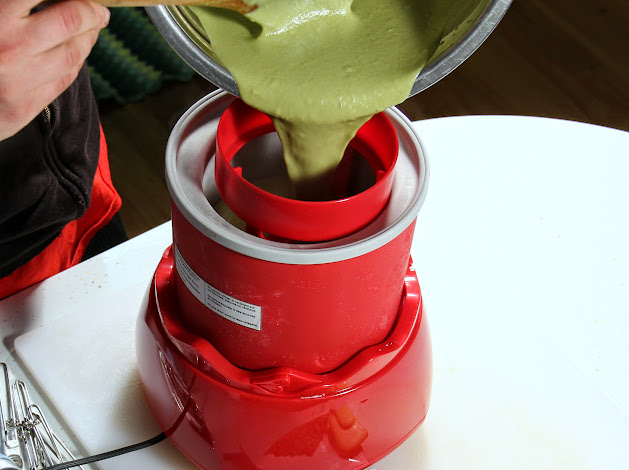
  9. Once completely cool add to your ice cream maker, follow the ice cream machines instructions.
  10. After pouring the liquid mixture add the pecans and let the ice cream maker work it's magic.
  11. Once solidified transfer to a container and store in the freezer over night, the next day this beautiful ice cream will be set and ready to enjoy.
Total Time: 1 Hour + Rest overnight
Citations and Further Readings:
  • Falkowitz, Max. "Do I Need to Use Eggs in Ice Cream (and How Many?)." Serious Eats. N.p., 2 Aug. 2013. Web. Path: http://sweets.seriouseats.com/2013/08/how-many-eggs-should-i-use-to-make-ice-cream.html.
  • Marks, Gil. Encyclopedia of Jewish food. Houghton Mifflin Harcourt, 2010.
  • McGee, Harold. On food and cooking: the science and lore of the kitchen. Simon and Schuster, 2007.
  • Tsuji, Shizuo. Japanese cooking: a simple art. Kodansha International, 2006.

Catfish Tempura

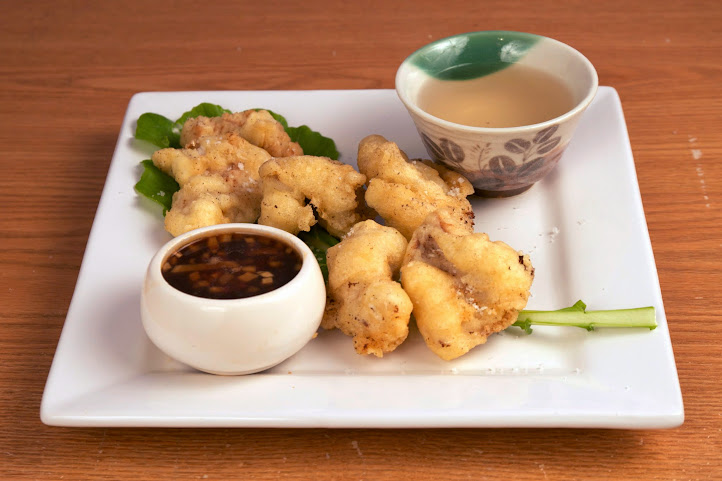
I have fond memories from my youth of catching channel catfish in a neighborhood retention pond. Back in those days, catching catfish was only an after school hobby. Little did I know that later in life I would come back to this common catfish with a new found respect. Farm-raised catfish are very affordable, a pound of nuggets can cost as low as $4.99 depending where you purchase from. Catfish are also relatively healthy, They contain large amounts of Protein, Vitamin D, and Potassium, among other vitamins and Minerals (nutritionfacts.com). Catfish tempura is a cross-section of conscious, sustainable fishing and indulging in cherished culinary traditions.

Not all catfish are created equal. Catfish can be a great fish option, but it is important to keep an eye out and purchase farmed fish specifically from the US if possible. US cat-fisheries are highly regulated and managed in an environmentally healthy way (Seaver). In addition, they are raised on a primarily vegetarian diet including rice and soy beans. This diet helps control the flavor of the fish and eliminates the "muddy taste" of some wild caught catfish. Foreign caught or raised catfish like Swai, Tra, Basa, River or Striped catfish are not raised in the same regulated conditions as those of the US
(Seafoodwatch.org), so quality may vary significantly.

Corn-breaded and deep fried catfish have a rooted tradition in the the Southern United States. The popularity of this fish only continues to grow in the United States, reaching far beyond Mississippi and Georgia. I wanted to take this tradition of fried catfish and combine it with another frying tradition, that of tempura. Tempura is a regarded style of airy deep frying which is generally associated with Japanese cuisine. Interestingly enough tempura's origins lie in Portuguese cuisine. Portuguese missionaries introduced the tempura style to Japan back in the 16th century C.E.(Moreida).

Despite appearing as a seemingly simple preparation, tempura really does involve a heightened attention to technique. One of the keys to a light and airy tempura is using very cold, carbonated water. When cold water is added to the other elements of the tempura batter it creates a more viscous mixture and holds onto the fish better. The carbonated liquid allows more gas in between the gluten networks for a lighter batter. Finally, by working quickly and not over-mixing the batter, the flour particles will not have enough time to fully soak up the liquid, the result is a crispy and uneven and lacy crust (McGee 214).

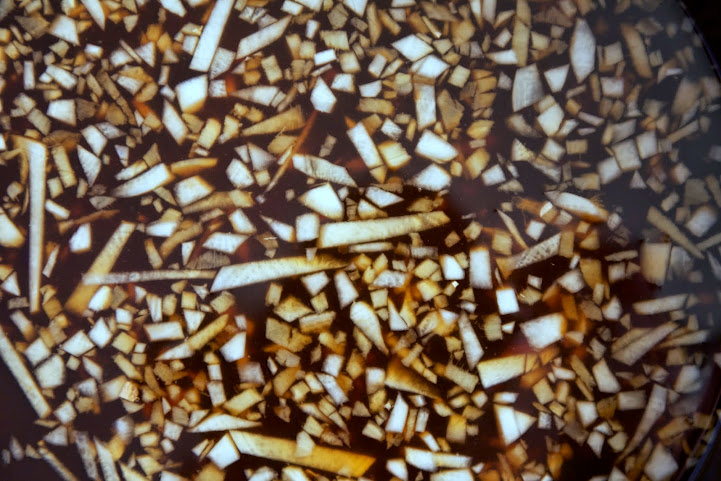
Every fried food deserves a good sauce. A sauce like soy sauce or ponzu would work well here, but I wanted to make a sauce based off of the Japanese tentsuyu, which is generally considered an all purpose sauce. The preparation is pretty simple and the result is a blend of sweet, salty, savory, spicy. I would suggest preparing the dashi (first sea stock) in advance. If you are unfamiliar with dashi, there are variances on stock but at it's most basic form it's kelp and dried tuna flakes. Dashi, and other Japanese stock recipes can be viewed in This Dashi Guide.
Sauce


Catfish Tempura with Tempura Dipping Sauce


Masaharu Morimoto Tempura Batter (The New Art of Japanese Cooking)

Ingredients
  • 2 Large egg yolks
  • 1/2 c Vegetable oil
  • 1 & 1/2 c Seltzer water, chilled
  • 2 c Tempura flour (All-purpose can be substituted)
Cooking Directions
  1. Beat the egg yolks in a bowl
  2. Slowly whisk in the oil until blended
  3. Add the tempura flower and stir with chopsticks until just combined. (residual flour on top is okay, Don't overmix!)

Dashi Tamari Tempura Dipping Sauce

Ingredients
  • 1 c Dashi
  • 2 T Tamari(Use 2.5-3 T if substituting soy sauce
  • 2 T Hoisin sauce
  • 2 T Ginger, minced
  • 2 T Daikon, minced
Cooking Directions
  1. Mince ginger and daikon.
  2. Add all ingredients to a small sauce pan over medium heat.
  3. Cook for 15-20 minutes on medium.

Catfish Tempura

Ingredients
  • 1 pound Catfish nuggets
  • Tempura batter
  • Enough High heat oil to fill a heavy bottom pan 3-5 inches
Cooking Directions
  1. Preheat oil to reach 350-370F
  2. Dust catfish nuggets in AP flour
  3. Quickly dredge nuggets in tempura batter and lightly drop in the oil
  4. Cook 3-5 minutes or until the nuggets are floating and the batter is golden brown.
  5. Transfer catfish to a paper towel and dry off as much oil as possible.
  6. Season with salt and pepper and enjoy.
Total Time: 30 min
Citations and Further Readings:
  • "Catfish Recommendations." seafoodwatch.org. Monterey Bay Aquarium, n.d. Web. 10 Dec. 2014. <http://www.seafoodwatch.org/seafood-recommendations/groups/catfish/overview?q=Catfish>. McGee, Harold. On Food and Cooking. New: Scribner, 1984. 214. Print. 
  • Moreida, Takashi. "Tracking Down Tempura." Ed. Moreida. Kikkoman, n.d. Web. 10 Dec. 2014. <http://www.kikkoman.com/foodforum/thejapanesetablebackissues/06.shtml>. 
  • Morimoto, Masaharu. Morimoto: The New Art of Japanese Cooking. N.p.: DK Publishing, 2007. 260. Print. 
  • "Fish, catfish, channel, wild, raw." Nutritionfacts.com. Nutrition Facts, n.d. Web. 10 Dec. 2014. <http://nutritiondata.self.com/facts/finfish-and-shellfish-products/4036/2>.  
  • Seaver, Barton. For Cod and Country. New York: Sterling Epicure, 2011. 27. Print. 
  • Yoshizuka, Setsuko. "Tempura Dipping Sauce." About.com. About.com, n.d. Web. 10 Dec. 2014. <http://japanesefood.about.com/od/tempura/r/tentsuyu.htm>.
Photo's by Jordan Henline
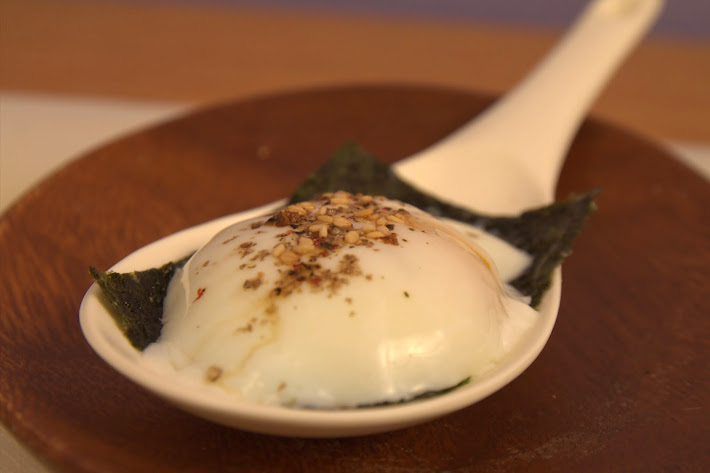
Onesen Tamago, ontop of nori. Topped with smoked salt, cracked pepper, and sesame seeds Onsen Tamago is a traditional Japanese way of cooking a slow poached egg. Traditionally, Japanese people would bring eggs to local hot springs heated by the volcanic activity on the island. They would put their eggs in the hot spring water and take them out 40 minutes later to have perfect Onsen Tamago or Hot Spring Eggs. (Salat) Debate of the perfect temperature ranges from 145 F and 160 F and the 15 degrees make a huge difference. 148-150 F is perfect for an extremely soft egg white and custard-like yolk.

This recipe is so important because it is one of the most simple ways to demonstrate water bath cooking. water bath cooking is an ever growing important technique in cooking all sorts of food. What makes cooking in a water bath different from poaching or boiling food is the precise control in temperature and time. There are also specific pieces of equipment used to achieve holding the desired temperature. There are others on the internet who have explained water bath equipment better than myself so please check this link for Modernist Cuisine Made Easy’s in depth explanation of water bath equipment

Water bath’s are the dumb cousin to the technique I will be referring too later on known as Sous Vide. Sous Vide cooking involves a precise water bath with the addition of food being cooked in a vacuum sealed bag for maximum flavor and minimal oxidation to the food.

Onsen Tamago


Ingredients
  • Chicken eggs
Cooking Directions
  1. Heat your waterbath via any sous vide technology to 148F and carefully lower eggs in with a slotted spoon.
  2. Remove eggs after 40 minutes, serve.
Total Time: 45 min

Citations and Further Readings:
  • Salat, Harris. "Onsen Tamago, or poaching eggs in their shell." Japanese Food Report. N.p., 28 Dec. 2012. Web. 15 June 2014.
 Photos by Jordan Henline